Under the new rules, local leaders will be able to enforce restrictions in areas where people often block pavements by parking their cars.
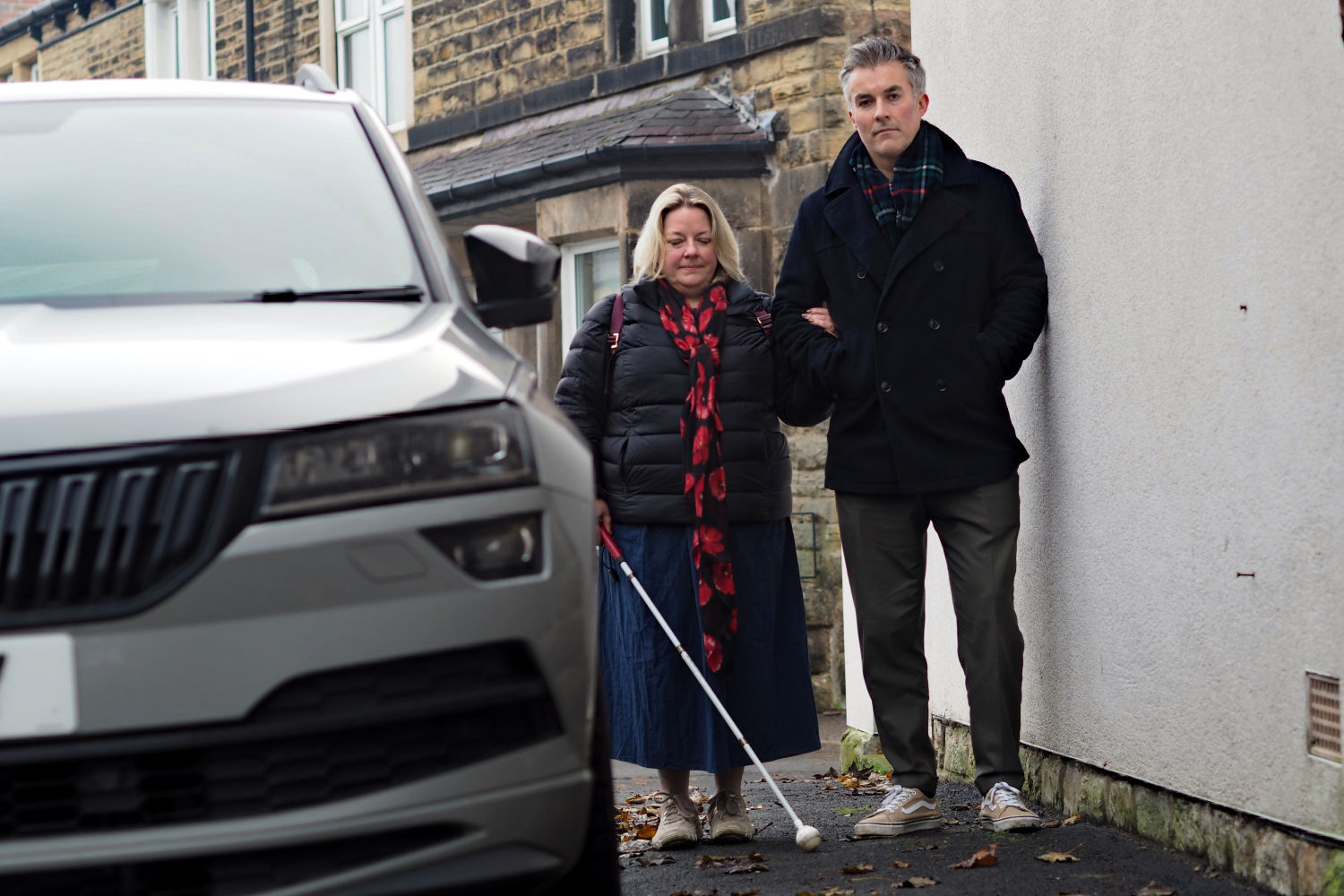
David Skaith recently met with a local charity that supports visually impaired people to hear about the challenges they face in Harrogate.
They met in the Claro Road area of the town and quickly found examples where cars had been left on the pavement, leaving little room for people to get past.
David Skaith, Mayor of York and North Yorkshire, said:
Pavement parking makes it harder for some of the most vulnerable people in our communities to get around. Children walking to school, parents with pushchairs and people with disabilities are all too often forced into the road by vehicles blocking pavements.
Outside of London, councils have been powerless to do anything about it. That’s why I welcome this announcement, which will give us the powers we need to return pavements to the people they are meant for by keeping them clear, safe, and accessible.
The rule changes follow a public consultation on the current system, where action can be taken but it’s a complex and lengthy process that only applies to individual streets.
Tanya Stimpson, director at Vision Support Harrogate district, today welcomed the changes as a “major shift” towards more “inclusive street design.”
Tanya said:
We are delighted that the needs of people with sight loss are finally being recognised by our government.
For people living with sight loss, these changes are not just about convenience, they are about safety, dignity, and the fundamental right to independent travel.
The law ensures that pathways remain clear allowing people with sight loss to complete journeys safely, to work, shops, or social events without life-threatening interruptions.
The Department for Transport will set out guidance to help local authorities use these powers in a proportionate way later this year.