Residents, businesses, and commuters across York and North Yorkshire are being urged to reshape the region’s travel network as Mayor David Skaith launches a major 10-week public consultation.
The consultation centres on the region’s first-ever comprehensive Local Transport Plan (LTP). The long-term strategy aims to create a safer, more sustainable, and better-connected network across the county.
Mayor Skaith did not hold back on the current state of infrastructure, noting that the system requires significant improvement. He emphasised that the final plan must be driven by the people who use the network daily.
The Mayor has excluded a consultation on cheaper travel, instead keeping the scope to:
- “Easily, safely and sustainably” — Making the network more reliable and greener.
- “Works for everyone” — Fixing chronic infrastructure neglect and filling service gaps, particularly in disconnected or rural areas.
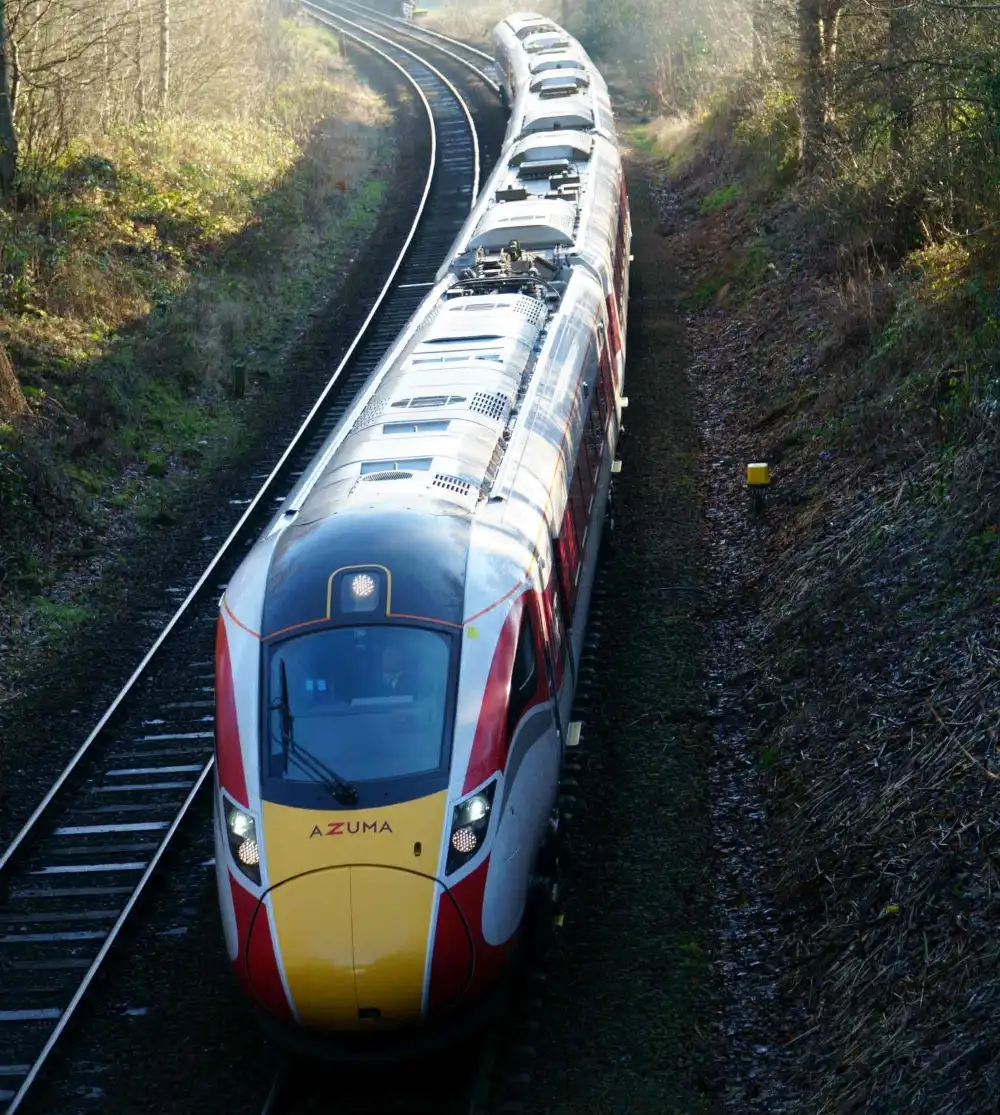
- A network that isn’t “good enough” — Upgrading physical infrastructure like bus stops, rail connectivity, road surfaces, and cycle paths
The Mayor’s push for a localised transport strategy comes amid long-standing disparities in national infrastructure spending. While HM Treasury does not publish specific per-capita data for individual councils, broader regional analysis highlights a steep funding gap between the capital and the North.
According to data from the Institute for Public Policy Research (IPPR) and Statista, transport spending per capita in London dwarfs that of Yorkshire and the Humber by more than two and a half times:
| Region | Annual Transport Spending Per Head |
|---|---|
| London | £1,183 per person |
| Yorkshire and the Humber | £441 per person |
| UK Average | £603 per person |
Research indicates that if the North had received the same level of per-person funding as London over the previous decade, the region would have seen an additional £140 billion in transport investment. This local consultation represents a critical step for York and North Yorkshire to maximize its devolved powers and secure targeted funding for local priorities.
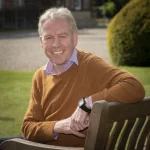
David Skaith, Mayor of York and North Yorkshire, said:
Transport in York and North Yorkshire hasn’t been good enough for too long, but I’m determined to change that. I want as many people as possible to make sure our county’s first long-term plan sets out a pathway to a transport system that works for everyone in York and North Yorkshire.
My Local Transport Plan will guide future improvements across all forms of transport, that’s why it must be shaped by the people who travel here every day.
Make sure you take part in our consultation and share your views, so your community is heard.
The strategy will dictate future funding and priorities for all major travel networks. To support the main strategy, a detailed delivery plan will map out concrete upgrades for rail, roads, buses, cycling, and walking infrastructure.
How to get involved:
- Online survey: Submit feedback directly via the York and North Yorkshire Combined Authority Portal.
- In-person events: Attend public drop-in sessions across the region.
- Digital webinars: Join online informational briefings.
Dates and locations for the webinars and drop-in sessions will be updated continuously on the official consultation webpage.
Summary: What is the Transport Plan?
The Local Transport Plan (LTP) is a long-term strategic framework designed to guide all future transport investments and priorities across York and North Yorkshire.
- The Core Goal: To make everyday travel easier, safer, more reliable, and environmentally sustainable.
- The Scope: It covers all major modes of transit, specifically focusing on active travel (walking and cycling), public transit (buses and rail), and road infrastructure.
- The Objective: To better link communities to vital daily needs, including jobs, schools, healthcare, family, and leisure.
- The Next Step: The strategic vision will be paired with a practical “delivery plan” detailing exactly how and when these infrastructure upgrades will be built.