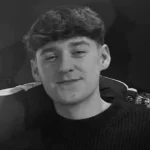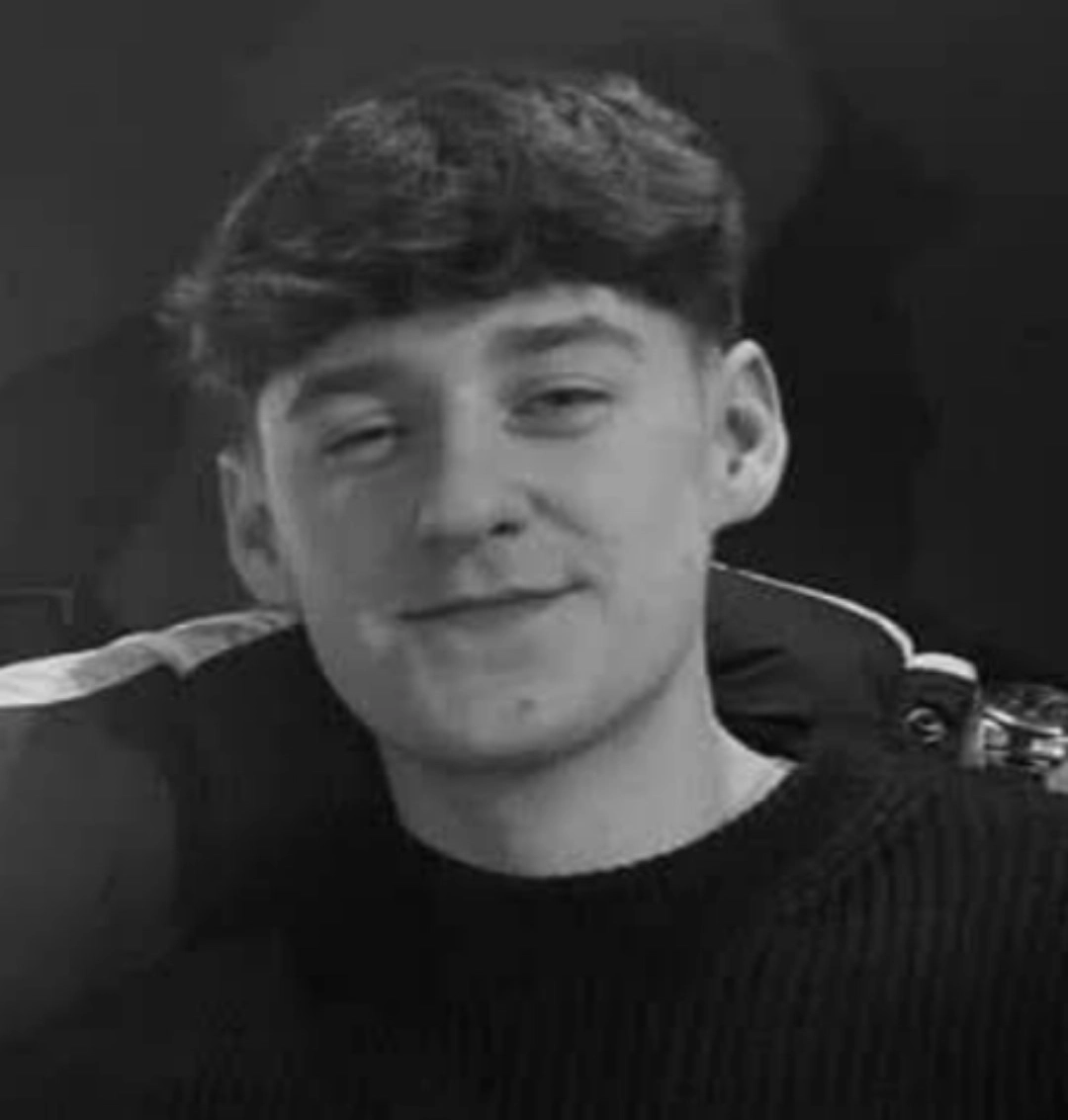
Joseph Henry Stott, the driver of a car which tragically collided with 19-year-old Bailey Chadwick as he walked home from work near Pateley Bridge in the Yorkshire Dales, has admitted he had been drinking alcohol before he got behind the wheel.
At a trial held at Harrogate Magistrates’ Court on Thursday 3 September 2026, the 25-year-old changed his plea to guilty regarding driving whilst over the prescribed limit for alcohol.
Significantly, this had been determined by a forward calculation due to the defendant not being arrested until four days following the collision. It is the first time such a conviction has been secured by North Yorkshire Police using the forward calculation method.
The Incident and Investigation
The incident happened on the B6265 at Lupton Bank, between Pateley Bridge and Glasshouses, during the early hours of Sunday 20 July 2025. North Yorkshire Police launched an intensive suspected fatal hit-and-run investigation which led to the arrest of Stott.
Stott denied two other charges of failing to stop at a road accident and failing to report a road accident. This was accepted by the court following the guilty plea for the drink-driving offence. He had previously admitted to driving without insurance.
Sentencing Details
Following his guilty plea, Stott received the following court penalties:
- 20-month driving ban
- Community Order (12-month supervision order)
- 135 hours of unpaid work
- Alcohol tag for 80 days
Detective Inspector Jill Cowling, of the Serious Collision Investigation Unit, said:
Before anything else, I want to acknowledge Bailey’s family and loved ones. The loss of a child, sibling, family member or friend in such sudden and tragic circumstances is something no family should ever have to endure.
Throughout this investigation, our thoughts have remained with Bailey’s family as they continue to navigate the profound grief, trauma and loss caused by his death.
I thank the community of Pateley Bridge and the wider public for the support they provided throughout what has been a complex and extensive investigation. The information, assistance and patience shown by local residents and members of the public were invaluable in helping investigators establish the circumstances surrounding this collision.
This investigation required a significant commitment from officers and staff across North Yorkshire Police, and I would like to acknowledge the professionalism, dedication and determination shown by all those involved.
In particular, I would like to recognise the outstanding work of the Family Liaison Officer who has provided compassionate and unwavering support to Bailey’s family throughout the investigation, often during the most difficult moments of their lives.
I am also immensely proud of my investigation team and the many specialist departments who contributed their expertise, including roads policing officers, forensic specialists, intelligence staff, communications teams, and police staff who worked tirelessly to ensure every possible line of enquiry was pursued.
While the outcome at court cannot ease the pain suffered by Bailey’s family, it demonstrates our commitment to conducting thorough and professional investigations and holding offenders accountable for their actions.
Bailey’s death is also a stark reminder of the devastating consequences that can arise when individuals choose to drive after consuming alcohol.
Every road death leaves behind families, friends and communities whose lives are changed forever.
Road safety is everyone’s responsibility, and we would urge all motorists to consider the potentially life-changing consequences of their decisions before getting behind the wheel.
Finally, I would like to pay tribute to Bailey. At the centre of this investigation was a young man whose life was tragically cut short. Our thoughts remain firmly with those who knew and loved him.
Victim personal statement from Bailey Chadwick’s mum:
My community of Pateley Bridge has felt this loss deeply. There is a shrine for Bailey – a place where people gather, leave flowers, light candles, and play the music he loved. We go there to listen to him, to keep his memory alive. It is beautiful, but it is also heartbreaking, because it should never have had to exist. A shrine is for someone whose life has ended far too soon, and Bailey should still be here living his.
Our family has been broken by his death. His siblings have lost their brother, their friend, this will affect them deeply for the rest of their lives. His grandparents are devastated – no grandparent expects to outlive their grandchild. Every family gathering has an empty space where Bailey should be. His absence is felt in every silence, every memory, every moment.
His friends are heartbroken. They talk about him constantly – his humour, his kindness, the way he made everyone feel included. They visit the shrine, they share stories, and they grieve the future they will never get to share with him. Many of them are still struggling to understand how someone so full of life could be taken so suddenly and so unfairly. There’s one friend who will never be the same, a friend that Bailey grew up with from a young age. He had to find his friend dead in the road with catastrophic injuries, a vision nobody should have to see.
For me, the impact is lifelong. I struggle with anxiety, sleepless nights, and moments where grief overwhelms me without warning. I cannot walk past certain places, hear certain songs, or see boys his age without feeling a deep, physical pain. I am not the person I was before Bailey was killed. A part of me died with him, and that part will never return.
Bailey deserved to live. He deserved to travel, to love, to grow, to build the future he dreamed of. Instead, we are left with memories, heartbreak, and a lifetime of wondering who he would have become. The impact of his death is permanent – for me, for our family, for his friends, and for the community that loved him. Nothing will ever undo the pain of losing him, and nothing will ever make this right. I cannot believe this is my life now.