
Pinewoods Revealed, a project led by Harrogate design practice Fontis, has uncovered an extraordinary part of the town’s history and sets out an ambitious future for one of its best-loved natural landscapes. Combining historical research with a new identity and website, the project brings heritage, conservation, nature and wellbeing into one defining idea: Pinewoods is Britain’s Kurwald, Harrogate’s living cure forest.
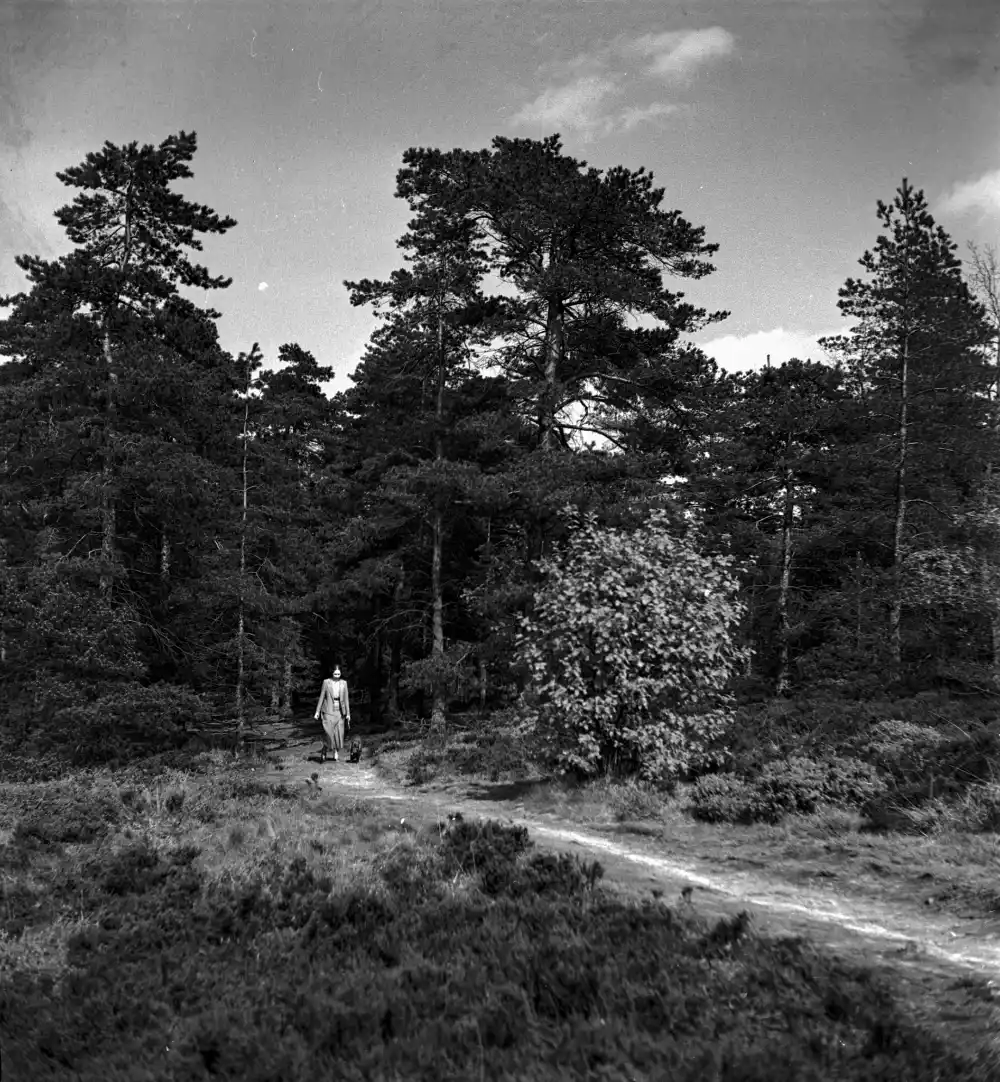
This year marks 230 years since Scots pines were first planted on the open moorland above Harrogate. In 1796, the six-acre King’s Plantation marked the beginning of a landscape that would grow alongside Harrogate’s emergence as one of Europe’s leading spa resorts. By the 1890s, the Corporation had acquired the plantation and surrounding moorland, with ambitions to create a pinewood inspired by the great Kurwälder of continental spa towns. A further 15,000 pines were planted in 1907, with the belief that their scent would be carried on the wind towards the town and spa gardens below.
For the first time, these fragments are being brought together as one coherent story. Kurwald, formed from the German words Kur, meaning cure, and Wald, meaning forest, describes woodland associated with a spa town and used for walking, fresh air, recovery and time in nature as part of the wider cure. In Harrogate, the cure was never confined to drinking mineral water or taking treatments inside the town’s bathhouses. It extended outwards through promenades, gardens, moorland and woodland. Pinewoods was its forest.
This new chapter of Harrogate’s Pinewoods is supported by two leading scholars of European spa culture. Professor Astrid Köhler, formerly Professor of German Literature and Comparative Cultural Studies at Queen Mary University of London, has researched Harrogate within the wider European spa tradition. She explained that the springs, promenades, gardens, parks, woods and rural walks of classical spa towns together formed “their typical therapeutic landscapes”, adding: “Pinewoods is an integral part of Harrogate’s healing facilities and environment.”
Professor Ian Bradley, Emeritus Professor of Cultural and Spiritual History at the University of St Andrews and author of The Last Enchanted Places: Spa Towns of Europe, said that the German idea of Der Kur encompasses “physical, psychological and emotional healing and wellbeing”. He noted that Harrogate was closely modelled on German spas, something still visible in the word Kursaal on the façade of the Royal Hall, and added: “Pine trees, with their distinctive scent and perceived healing properties, are particularly associated with Kurparks.”
Today, the 96-acre woodland stretches between Valley Gardens and RHS Garden Harlow Carr, forming one of Harrogate’s most important natural connections. Pine, native deciduous trees, remnant heathland, open glades and a network of paths create a landscape rich in wildlife and atmosphere. For generations of local people, it has been a place to walk, play, breathe, gather and escape. The new identity brings the scale, richness and wider significance of that landscape into view.
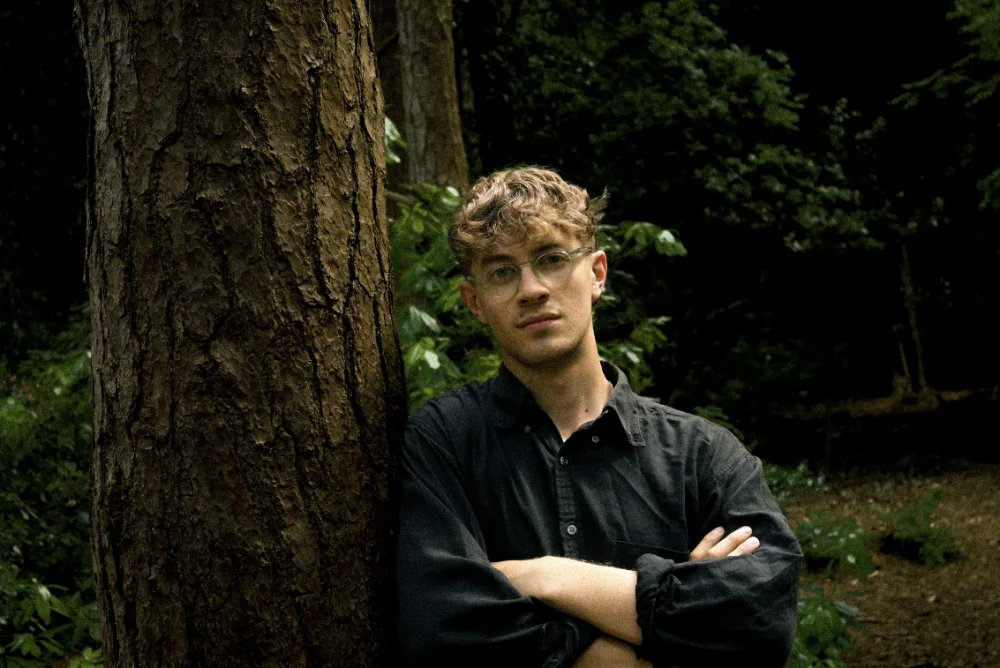
Neil Hind, Chair of Pinewoods Conservation Group said:
Pinewoods means something different to everyone who uses it. For some it is part of a daily walk. For others it is a place of childhood memories, wildlife, quiet or connection. Beneath all of that is a remarkable history that deserves to be much better known.
The project began with a commission to create a new website for Pinewoods Conservation Group. Research undertaken by Eglese during the design process uncovered a much larger story. Historic records, archive photographs, accounts of Harrogate’s spa culture and the physical relationship between the woods, Valley Gardens and the mineral springs began to reveal Pinewoods as an integral part of the town’s historic health landscape.
George Eglese, Practice Director of Fontis said:
Pinewoods is not just an attractive green space behind Valley Gardens. It is the wooded, elevated part of Harrogate’s wider spa landscape. It gives physical form to an idea which now feels remarkably contemporary: that health is shaped not only by treatments, but by movement, air, nature and beauty.
Alongside the Pinewoods project, Eglese has been developing a wider programme of connected work across Harrogate. Its different strands will be brought together later this year as part of the wider revival of the Harrogate Cure.
At the centre of Pinewoods Revealed is a new website, creating a digital home for the woodland. Visitors can explore its history, understand the idea of the forest cure, discover its habitats and seasonal character, plan a visit, find upcoming events and follow the continuing conservation work of Pinewoods Conservation Group. New members are also able to join the charity online and visitors able to make donations. Archive imagery sits alongside contemporary photography and conservation updates, presenting Pinewoods as an ever-evolving landscape.
Pinewoods Conservation Group was formed in 2002 and became a registered charity the following year. Its volunteers and supporters have restored paths, planted trees, created habitats for birds and bats, installed signs and information boards, organized community activities and maintained a continuous community presence within the woodland. The project provides a stronger platform for that work and for the participation, partnerships and long-term stewardship needed over the decades ahead. The new identity will be developed across display boards and other signage over time when items need to be refreshed.
Neil Hind added:
This is an invitation to rediscover Pinewoods. We want people to explore the new website, walk through the woodland with fresh eyes and learn more about the landscape around them. Most importantly, we hope more people will join the charity in ensuring that Britain’s Kurwald continues to thrive for generations to come.




This is an excellent project, beautifully expressed here. I hope we can all get behind it.