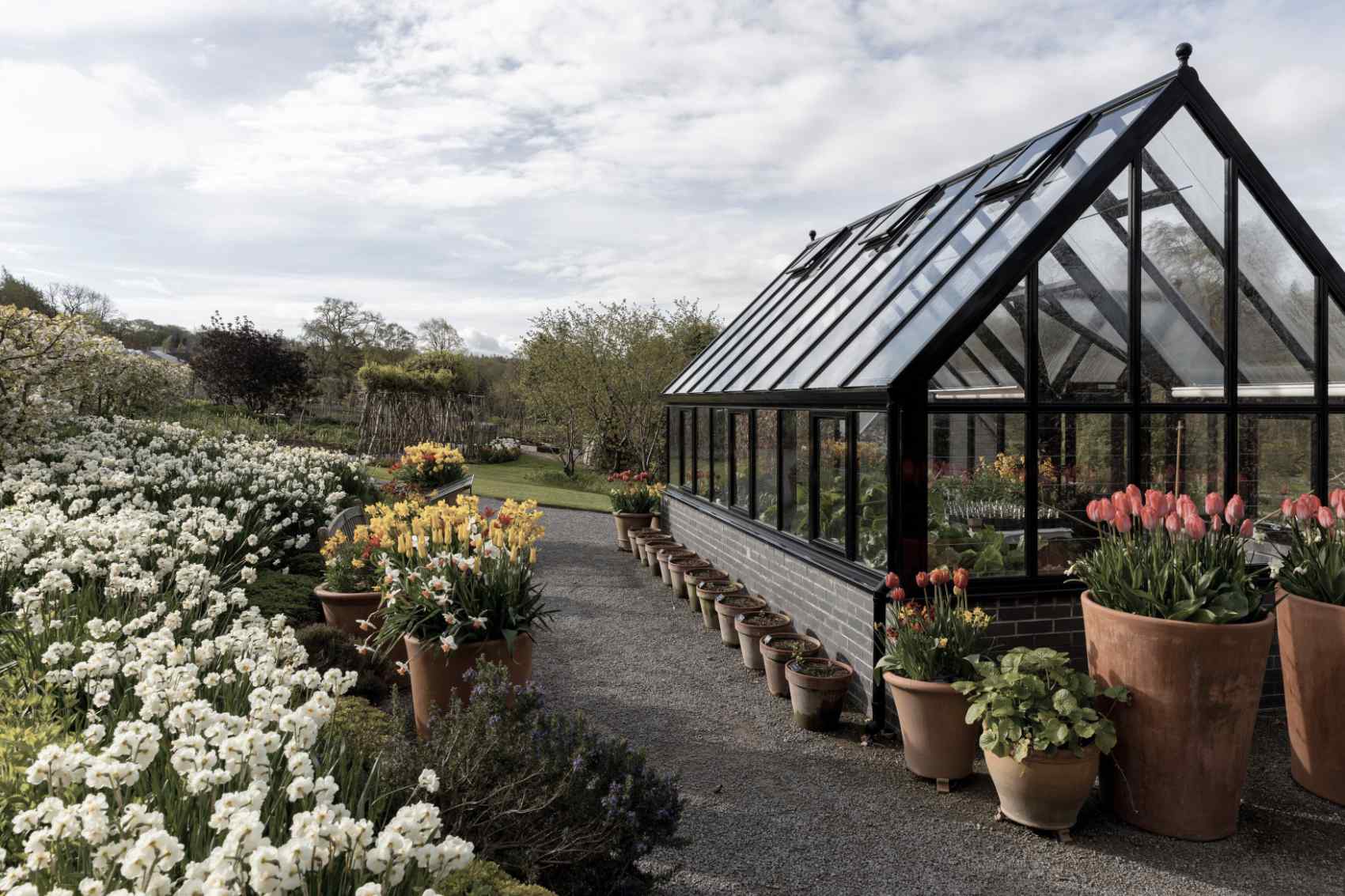
The Royal Horticultural Society (RHS) has confirmed that all plants sold at its five RHS Gardens, Bridgewater (Greater Manchester), Harlow Carr (North Yorkshire), Hyde Hall (Essex), Rosemoor (Devon) and Wisley (Surrey) and through its online shop are No New Peat* bringing customers the widest range of high-quality planet-friendly plants on offer in the UK.
The move follows recent RHS research showing that 56% of gardeners who purchase plants do not know whether they are grown using peat. The RHS is committed to protecting the environment and the UK’s precious Peat Bogs and by selling only No New Peat plants, all customers both instore and online will now, by default, be making a more environmentally responsible choice. Selling only No New Peat will in turn support an increasing number of specialist UK nurseries.
RHS retail outlets are increasing their focus on popular plant groups such as peonies, offering a wide range of cultivars that provide successional flowering throughout the season. For example this year Sienna Hostas will also be introduced to RHS plant centres, giving customers access to an exciting new range of hosta varieties. Later in the year, new lines of flowering nerines and amarines will be available in autumn, plants that are rarely found at other UK garden centres during their flowering season.
Duncan McLean, RHS Senior Plant Buyer says: “We will have the best representation and biggest range of ‘no new peat’ plants of any retailer in the UK. Customers can look forward to a range of high-quality, sustainably grown plants. By working with leading commercial partners and pioneering specialist nurseries, across the UK we continue to deliver the range of plants you expect from RHS Garden Centres.”
UK Peatlands play a critical role in tackling climate change, storing approximately 3.2 billion tonnes of carbon, making them the UK’s largest natural land-based carbon store while also providing vital habitats for a unique range of wildlife. However, around 80% of UK peatlands are damaged, in part through extraction for horticultural use. The RHS’s no new peat commitment is helping to protect these vital ecosystems.
Barbara King, Head of RHS Garden Centres says:
Our ambition to be the UK’s leading supplier of ‘no new peat’ plants has not been without its challenges, particularly when it comes to sourcing plants however we are thrilled to have got to this point, where gardeners can now shop with us, safe in the knowledge that they are not damaging our precious peat bogs and know that no plants that the RHS sells will contain any peat that entered the production cycle after the end of 2025.
The Government has not defined what ‘peat-free’ means for consumers, given there is old peat in the supply chain for plants that have been growing for several years. To provide clarity for gardeners wanting to choose the best plants for the planet, the RHS created its own definitions in spring 2025 to help the public make informed choices:
- No new peat plants – plants grown entirely peat-free, or older plants containing peat that was already in the production cycle before the end of 2025
- Peat starter plants – plants that started their life in peat (as a plug plant or liner) but have since been grown peat-free
- Peat plants – grown in peat that entered the production cycle after 31 December 2025.
RHS Top Tips for caring for ‘peat-free’ plants:
- RHS peat-free team have shared their ten top tips for peat-free gardening.
- Water little and often. Check moisture below the surface with your finger or by lifting the pot to judge weight.
- Plants in peat-free compost may need more frequent feeding, use the correct feed and follow instructions.
- Small mushrooms may appear; simply remove them and compost them.
- Save bagged compost for pots and containers; use homemade compost or leaf mould for beds and borders.
- Ask for peat-free plants, demand helps nurseries invest in peat-free growing.
- Choose the right compost for your plants and follow the bag’s watering and feeding guidance.
- Buy only as much compost as you’ll use soon; share bags, choose larger packs, and check storage conditions.
- Peat-free seed sowing and cuttings may take practice but are easy with the right guidance and by choosing the appropriate peat free compost for this purpose.