LEEDS & HARROGATE, UK – Independent hospitality leaders have issued a scathing critique of the Burnham government’s latest fiscal intervention, branding a newly announced 20% business rates reduction as a short-term, unprovisioned publicity stunt ahead of an expected autumn election.
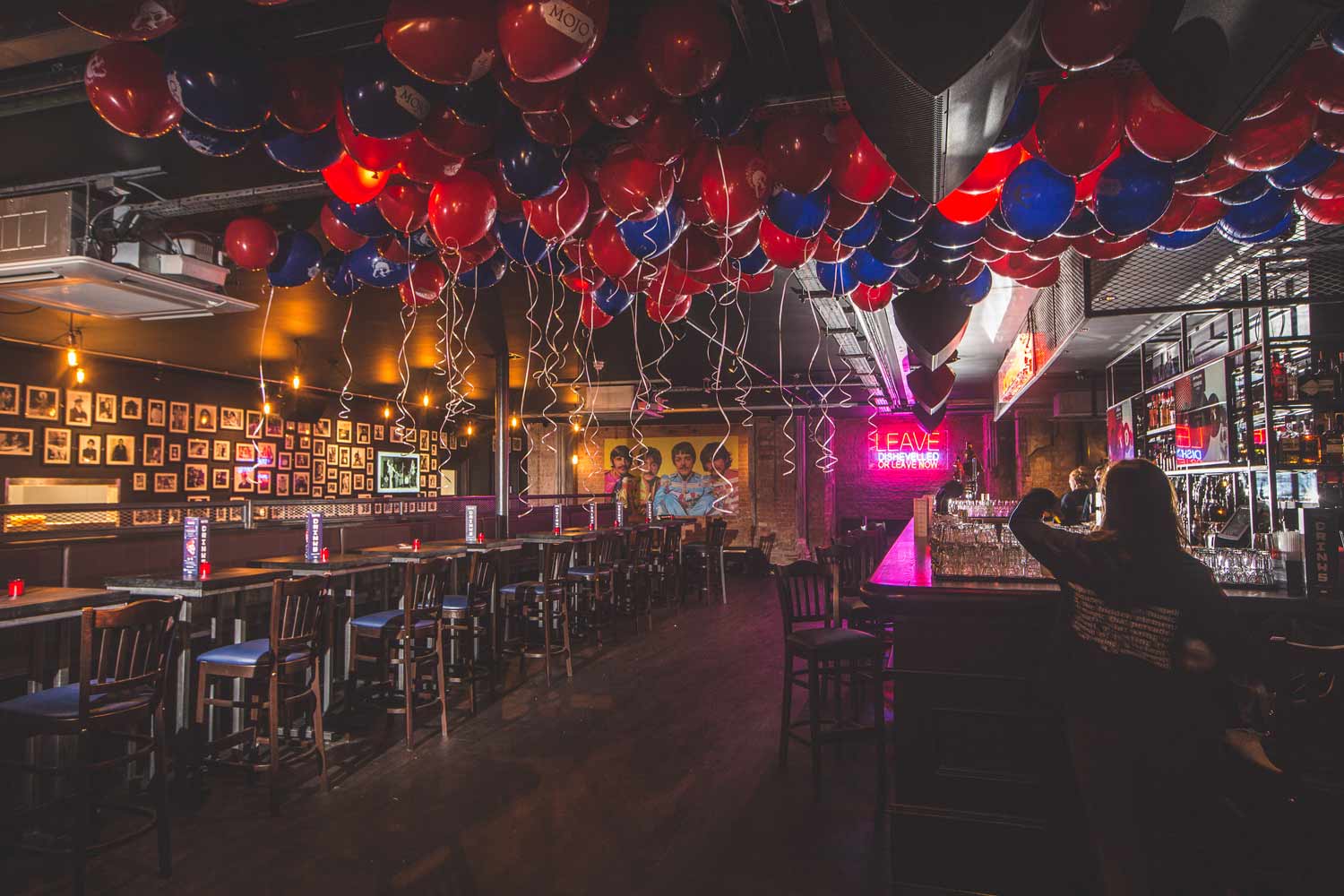
Martin Greenhow, Managing Director of the popular rock-and-roll cocktail chain MOJO, and Simon Colgan, co-owner of a prominent group of local venues including Harrogate’s iconic The Blues Bar and World’s End, warn that the slight discount fails to offset a near-doubling of core operating costs. Both operators stress that current policies are leaving the high-pressure UK hospitality sector facing severe structural failure.

Martin Greenhow, Managing Director of MOJO:
No one is ever going to turn their nose up at a 20% price reduction, but it has to be acknowledged that it’s a fractional reduction of an almost doubled bill. Granted, some of that increase is deferred, but it is still there waiting in the wings and threatening future profitability.
What concerns me more is that this is a publicity exercise. I would suggest the beginning of pre-electioneering by the new Burnham government, intended to show them in a good light. In truth, they are picking winners in the hope that it generates a false positivity that can spur them to victory in an election in the autumn. I’d expect more gimmicks of this ilk—poorly thought through and definitely unprovisioned.
I’ve said many times that the Hospitality sector is the canary in the coal mine of the British economy. Giving us a short squirt of fiscal oxygen doesn’t change the fact we are going to suffocate, and the rest of the economy is not far behind.
The toxic gases of too much regulation—most recently the Workers Rights Act, spiralling mandated costs like changes to the National Living Wage, and too high taxation, including National Insurance changes to rates and thresholds alongside Business Rates even with this discount—are swirling around us all. It is stifling business. When you add Capital Gains Tax (CGT) and income tax rates and thresholds, it completely disincentivises anyone predisposed to trying to run a business.
Not sure where Andy is getting his ‘hope in every heart’, but no incentive means no businesses, no jobs, and no hope.
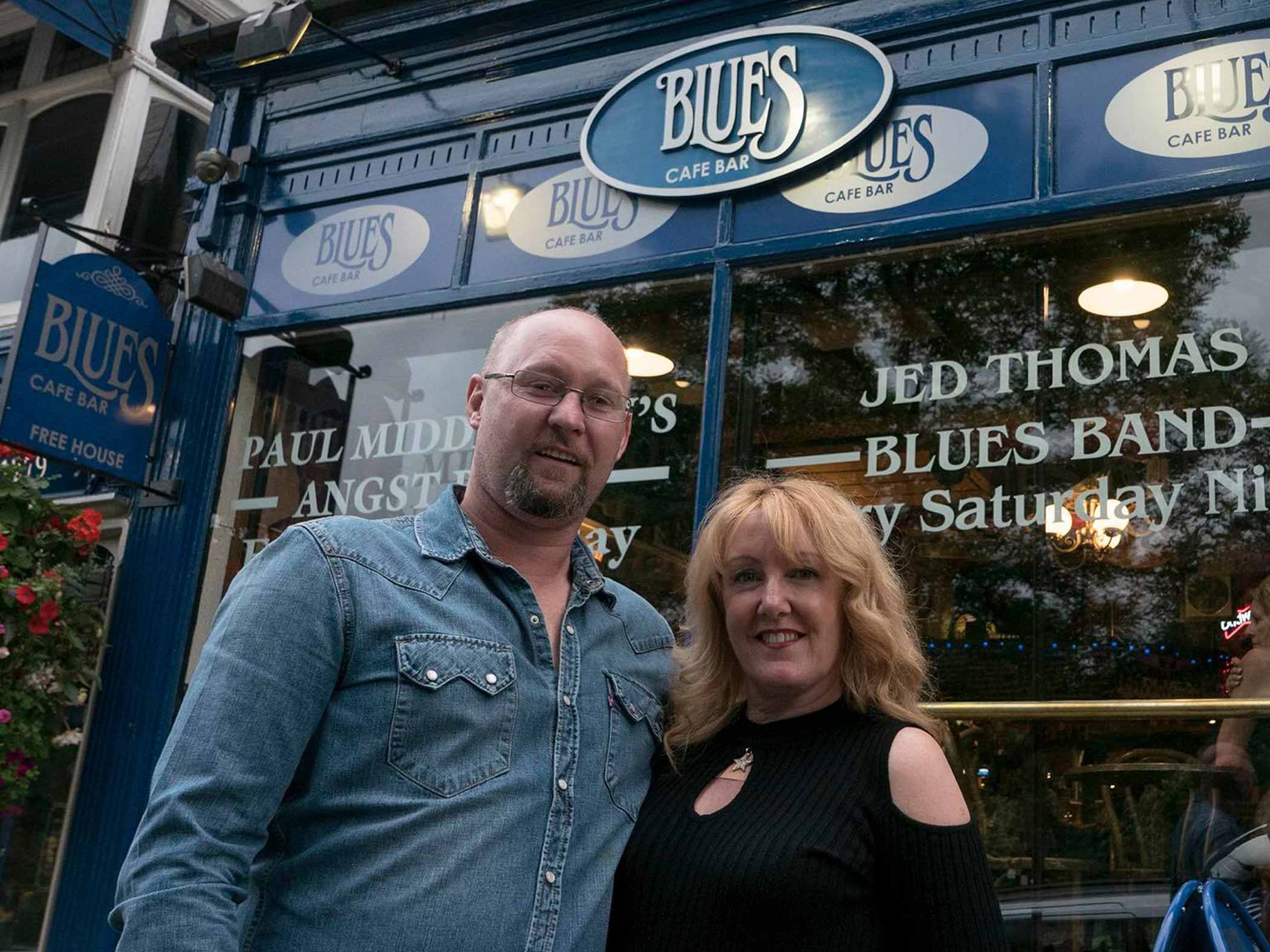
Simon Colgan, Co-Owner of The Blues Bar and World’s End:
At the Blues Bar, they have doubled my rates, then discounted it by 20%, so I don’t really feel like I am winning here.
It’s a step in the right direction, but the previous increases, that were implemented earlier in the year, will only lead to more empty units in town centres.
A Timeline of Crushing Tax Changes for Bars
These frustrations follow years of compounding financial pressures that have systematically eroded margins across the UK nightlife and pub sectors. While today’s 20% business rates cut has been introduced as emergency relief, it follows a relentless wave of tax hikes:
- The Business Rates Cliff-Edge (2025–2026): For years, the sector relied on pandemic-era retail, hospitality, and leisure (RHL) discounts. The phasing out of the 40% discount, coupled with a dramatic three-yearly revaluation of commercial property values, saw average business rates spike massively. Despite a temporary 15% relief buffer introduced earlier this year, operators are still facing bills vastly higher than those of 2024.
- The Employer National Insurance (NIC) Shock: Payroll taxes became a primary driver of distress when the Employer NIC rate was jacked up from 13.8% to 15%. Crucially, the secondary threshold where businesses must start paying NICs was slashed from £9,100 down to just £5,000. Because bars and pubs depend heavily on part-time and hourly student labour, this change heavily penalised the hospitality employment model.
- Spiralling Mandated Wages: Alongside higher NICs, statutory wage inflation via steep, consecutive increases to the National Living Wage forced operators to absorb ballooning payrolls without a corresponding rise in consumer spending power.
- The Great VAT Battle: Despite tireless sector campaigning by bodies like UKHospitality to permanently drop hospitality VAT to 10%, the standard rate remains locked at 20% for adult venues and alcohol sales. Short-term measures, like the government’s targeted summer 5% reduction, restricted reliefs tightly to children’s meals and family attractions, completely excluding late-night bars, pubs, and cocktail lounges.
The True State of the High Street
Hospitality remains one of the most sensitive indicators of UK macroeconomic health due to its high labour intensity and tight profit margins. Rather than correcting systemic issues, current policies are actively discouraging entrepreneurship and long-term business investment. Greenhow and Colgan emphasize that temporary reliefs act merely as a distraction from a mounting wave of regulatory burdens that threaten to leave regional town centres hollowed out.