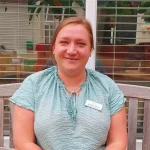
Emily Wragg says: “We are very pleased to have funded a novel NHS role, the Candlelighters Chemotherapy Project Nurse Specialist, since 2023,” celebrating the permanent adoption of a breakthrough regional healthcare program.
A pioneering medical program providing specialized chemotherapy to children in the comfort of their own homes is transitioning into a permanent, hospital-funded service. Originally developed during the pandemic, the initiative completed a successful two-year pilot at Leeds Children’s Hospital. The service will now operate as standard procedure under NHS funding.
The project was established to prove the viability of delivering regional bolus chemotherapy at home. It succeeded in providing families across Yorkshire with a reliable alternative to prolonged hospital admissions. By transitioning into a standard clinical offering, the service fulfills core local priorities outlined in the national NHS Long Term Plan.
Measurable Benefits for Families and Clinical Teams
The two-year trial documented significant logistical and psychological improvements for young patients and their support networks. Evaluated data from the pilot phase highlights several key successes:
- Anxiety Reduction: Children reported feeling significantly less distressed receiving medical treatments within familiar home environments.
- Educational Continuity: School attendance figures improved because home nursing schedules were actively coordinated around the academic day.
- Financial Relief: Parents maintained regular employment while reducing household outlays on regional travel and hospital parking fees.
- Infection Prevention: Decreasing the density of outpatient crowds protected vulnerable, immunosuppressed children from seasonal hospital infections.
- Resource Optimization: Reduced clinic traffic allowed hospital teams to provide timelier, enhanced medical care to patients requiring complex onsite attention.
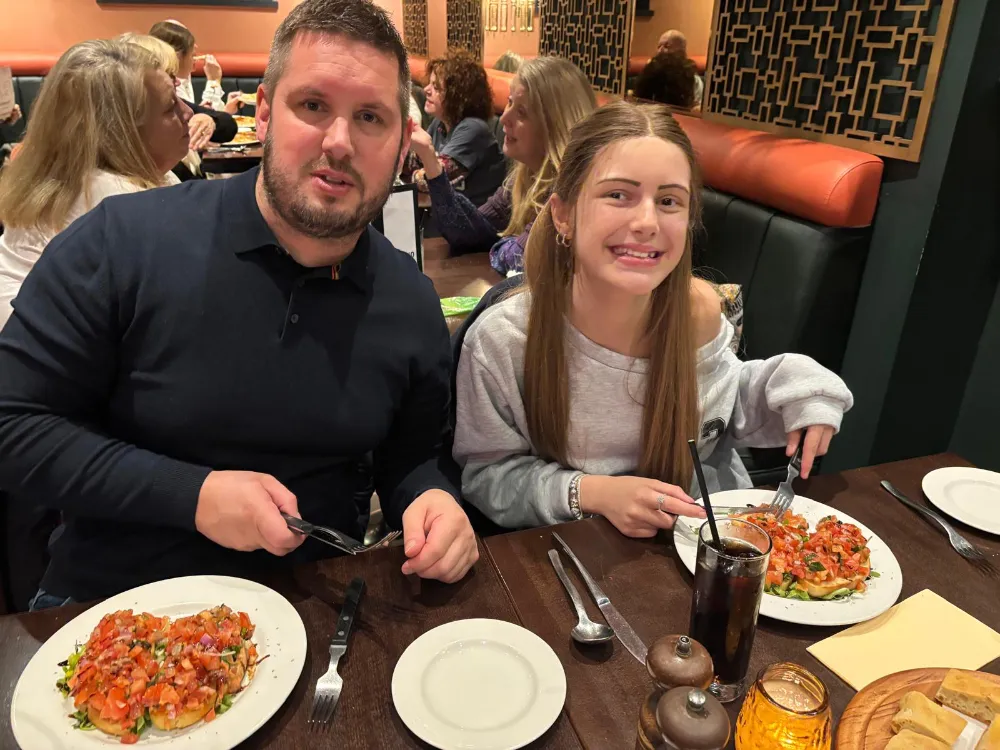
Emily Wragg explains that the two-year trial demonstrated many successes.
Emily Wragg said:
Families reported numerous benefits, including a reduction in anxiety for children having treatment at home, improved school attendance because treatment is coordinated around the school day, parents being able to continue working, a reduction in travelling time and travel costs, and receiving psychological and emotional support within their home.
Leeds Children’s Hospital has also seen benefits. A reduction in the number of patients needing to come into hospital has helped infection prevention and enabled timelier, enhanced care and support to those patients attending hospital.
The project aimed to show how in-home bolus chemotherapy could become business as usual within Leeds Teaching Hospitals NHS Trust. We also wanted to include any child or young person in the Yorkshire region who would meet the eligibility criteria for bolus chemotherapy at home, and generate evidence of the benefits to families and Leeds Children’s Hospital.
Overcoming Geographic Obstacles in Yorkshire Healthcare
Leeds Children’s Hospital serves as the specialist treatment center for one of the largest geographical catchment areas in the United Kingdom. Referrals originate across North, West, and East Yorkshire, the Humber, and parts of Northeast Lincolnshire. This vast boundary creates distinct challenges for families traveling to centralized appointments.
Prior to the launch of the home care initiative, some regional families faced mandatory 150-mile round trips, spending up to four hours on the road for brief clinical procedures. During each year of the trial, specialist nurses completed over 200 home chemotherapy visits. The mobile program saved local families from traveling more than 9,000 miles and spared them nearly 300 hours of exhausting travel time annually.
Emily Wragg concludes: Emily Wragg said:
We’re thrilled that funding from Candlelighters has enabled the proof of concept for such a vital service.
We hope this sets the example and inspires other Principal Treatment Centres across the UK to provide the same level of care, closer to home, that is available at Leeds Children’s Hospital.
Understanding Bolus Chemotherapy Deliveries
The home service focuses specifically on the administration of bolus chemotherapy, which differs significantly from traditional long-duration hospital infusions.
- Bolus Administrations: A single, concentrated dose of anti-cancer medication injected directly into a vein via a central line. The active injection takes roughly five minutes, and the entire medical visit is typically completed in 20 minutes.
- Infusion Administrations: Intravenous drugs delivered slowly through a continuous drip or electronic pump system, requiring a patient to remain attached to equipment for multiple hours or consecutive days.
Dr Susan Picton, Chemotherapy Lead for Haematology and Oncology at Leeds Children’s Hospital, explains that bolus chemotherapy is a way of delivering a single, concentrated dose of anti-cancer medication into a vein via a central line as a five-minute injection.
Dr Susan Picton said:
This was the first role of this kind, putting Leeds Children’s Hospital on the map as a trailblazer for this innovative service. Following a successful two years funded by Candlelighters we are delighted to be making this service part of our business as usual and available for patients in the future. It’s a fantastic example of how clinicians and charities can work together to improve care for patients, putting families first.
Patient Case Study: Isla Clifford
Isla Clifford, a 13-year-old from Bingley, was diagnosed with sarcoma in April 2024 at the age of 11. Before accessing the regional home care program, her medical regimen required traveling to the hospital three times every month, causing her to fall behind in school and forcing her parents to miss work shifts.
Isla Clifford said:
Before I had chemotherapy at home, I had to go into hospital three times a month. I missed so much school and got far behind, and my Mum had to miss work. However, when my in-home chemotherapy nurse Neil is here, it’s a five minute ‘push’ dose of chemo medication. We always chat and it’s just so, so, so, so much better.
Neil has made my life so much easier in so many ways. I have started going back to school, dancing, and seeing my friends. I am starting to finally feel normal for once. I get home from a full day of school and it’s so easy because Neil is there. It makes me happy. I don’t have to sit for hours at a time in a clinic where it makes me sad, think about too many things and get more and more worried.
Her father, Sean Clifford, emphasized that the flexible after-school visits provided crucial support for Isla’s mental well-being and education, removing the exhaustion of spending long, stressful periods in clinical hospital waiting rooms.
Sean Clifford said:
Being able to attend school and receive her treatment afterwards has been crucial to Isla’s education and her mental well-being. Neil has been exceptionally accommodating, coming after school hours and allowing Isla to avoid spending long, exhausting periods in hospital settings – something she has already endured, far more than any child should.
Neil has brought hope to our lives at a time when we felt there was none. The positive impact the in-home chemotherapy service has had on our family cannot be overstated.
Medical Disclaimer: This article is intended for general informational purposes only. It does not constitute professional medical advice, diagnosis, or treatment. Always seek the advice of your doctor or another qualified healthcare provider with any questions regarding a medical condition or treatment plan.