Live Facial Recognition (LFR) is a real-time surveillance technology that uses video cameras to scan the faces of people in a crowd and automatically compare them against a predetermined “watchlist” of people of interest.
The technology is highly divisive, sparking a debate between public safety advocates and civil liberties groups who fear it is a step toward a “dystopian surveillance state”.
- Algorithmic Bias: Studies have shown that many LFR systems are less accurate for Black and Asian people, as well as women. This bias often stems from training the AI on non-diverse datasets, leading to a higher risk of misidentification and wrongful stops for minority groups.
- Mass Surveillance & Privacy: Critics argue that scanning thousands of innocent people without their explicit consent is a gross violation of the right to a private life. They claim it turns citizens into “walking ID cards” and can have a “chilling effect” on free expression and the right to protest.
- Lack of Transparency & Regulation: Human rights organisations like Liberty and Big Brother Watch have described its use as a “regulatory Wild West,” noting an absence of specific primary legislation to govern its expansion in public spaces.
- Legal and Ethical Standards: While UK courts have ruled certain deployments lawful, reports from institutions like the University of Cambridge have found that some uses fail to meet minimum ethical and legal standards for data protection.
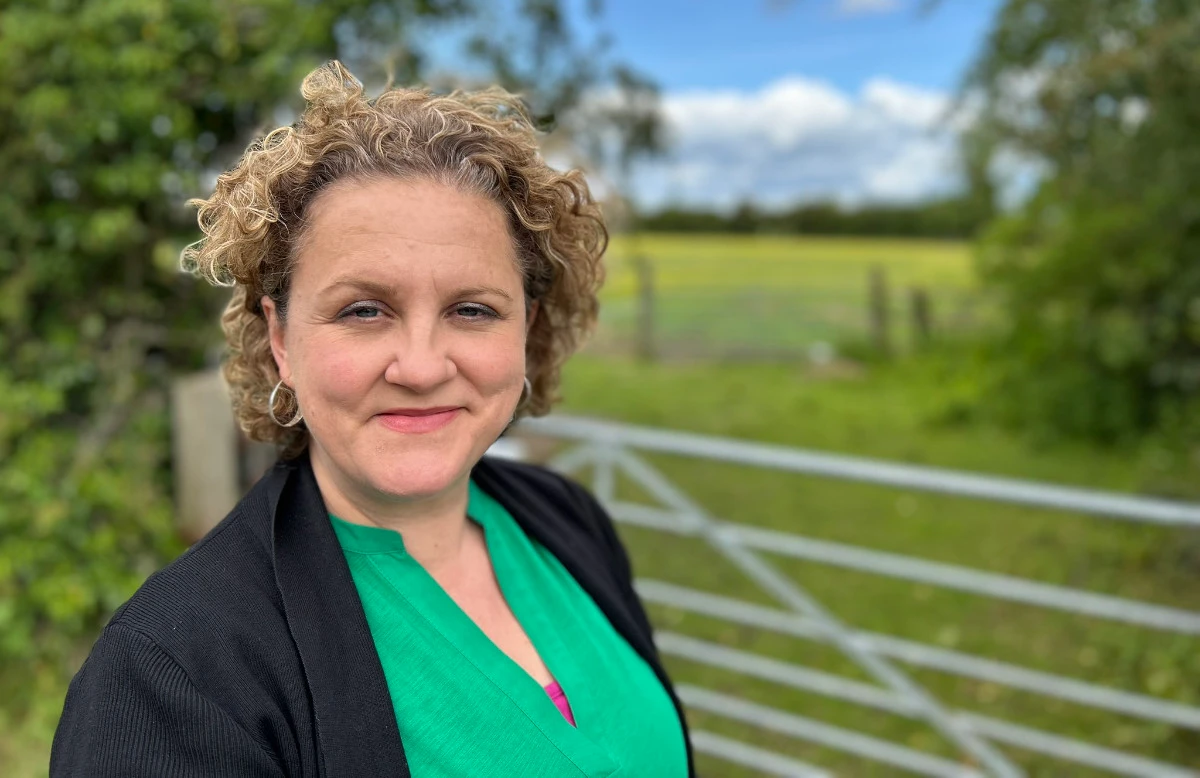
There is a disconnect between the statement from the Deputy Mayor, Jo Coles, saying that there is no specific proposals to use the technology, however North Yorkshire Police have said that it is planning implementation and use.
Deputy Mayor, Jo Coles, said in a statement:
At the moment there are no specific proposals for the use of this technology but in other parts of the UK it has been used to police sporting fixtures for example, or other events where large numbers of people congregate.
However, in a statement (2 April 2026), North Yorkshire Police has said:
North Yorkshire Police has today announced that it is planning the implementation and use of Live Facial Recognition (LFR) technology within York and North Yorkshire to help protect vulnerable people and tackle serious crime.
LFR will be used in carefully selected, intelligence‑led locations to help identify individuals who pose a risk to the public, people wanted for criminal offences by the police or the courts, and those subject to court orders restricting them from certain areas.
Although North Yorkshire Police has not previously used LFR and is not currently investing in new LFR capability, the force is taking proactive steps to ensure it is prepared to use regional assets and align with national guidance on its deployment.
Following that, deployments would only take place where there are a clear policing purpose and a strong intelligence case to do so.
The Deputy Mayor was requested to clarify her position, but the York and North Yorkshire Combined Authority said she was not available for comment.
The Full Statement from Jo Coles, Deputy Mayor for Policing.
Jo Coles, Deputy Mayor for Policing, Fire and Crime has released the following statement regarding North Yorkshire Police’s plans to begin using live facial recognition cameras:The use of any new technology requires particular scrutiny and assurance as some members of the public may be concerned about implications in terms of civil liberties, safeguarding and the potential targeting of minority groups. I recognise those concerns and am seeking particular and ongoing assurances around this proposal from North Yorkshire in a number of areas. Notably:
- Ensuring that responses to assurance questions are placed in the public domain.
The responses to these issues may not reassure everyone and I know that some people are opposed to any use of this kind of technology by the police under any circumstances. However, as crime evolves, it is right that the police explore new tools that may help keep people safe – provided this is done responsibly and with robust safeguards.
At the moment there are no specific proposals for the use of this technology but in other parts of the UK it has been used to police sporting fixtures for example, or other events where large numbers of people congregate.
Going forward I will also be seeking further assurances in my regular meetings with North Yorkshire Police and am also planning to ensure the concerns of the public are properly represented in my regular online public meetings with North Yorkshire Police. Anyone who has particular questions or concerns can feed those into these processes.