Digital Entertainment Trends That Are Growing Worldwide
Digital entertainment now touches nearly every hour of daily life. Analysts report that the average person still spends about six hours a day on media and entertainment, but the variety of options at that time is expanding rapidly. Traditional TV is giving way to an explosion of streaming services, social video platforms, and interactive content. Users can choose from countless on-demand subscriptions, ad-supported free streams, and even short-form clips on social apps. As a result, users now have more choice and can more easily find content that fits their preferences. Content providers now compete fiercely across devices and formats, offering mobile apps, web platforms, and smart TV bundles to capture attention. This article explains the specific methods platforms use to keep users engaged and how these approaches shape modern digital entertainment.
Subscription Flexibility and Hybrid Streaming Models
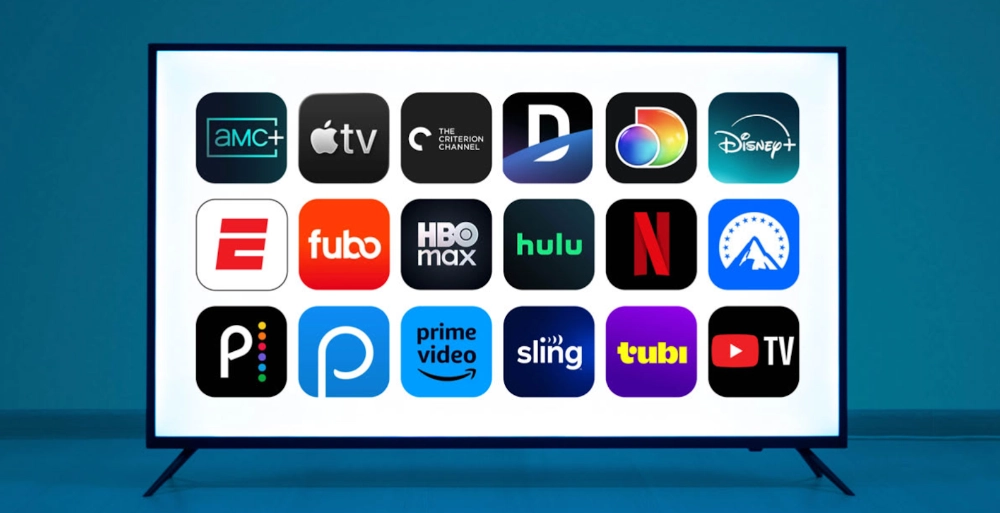
Streaming services no longer rely on a single subscription model. Instead, they experiment with layered access, combining paid tiers, ad-supported viewing, and bundled offers. For example, platforms like Netflix and Disney+ introduced lower-cost plans with ads, allowing users to access content without committing to higher monthly fees. Another method involves bundling multiple services into one package, which reduces the cost per platform and increases perceived convenience. This approach works especially well for households that consume different types of content, from sports to movies to documentaries. In addition, content release strategies have evolved. Some platforms release entire seasons at once to encourage binge-watching, while others return to weekly episodes to maintain long-term engagement and discussion. Each method serves a specific goal: immediate engagement or sustained attention over several weeks.
Live and Interactive Entertainment
Live streaming and interactive content have surged alongside on-demand video. Platforms like Twitch, YouTube Live, and Facebook Gaming let creators broadcast events and engage audiences in real time. Viewers participate by chatting, reacting, or even influencing the stream, making the experience social. Top channels span gaming playthroughs, “Just Chatting” sessions, creative arts, and live interviews. Chat functionality (on-screen discussion among viewers and the streamer) is considered an “essential” part of the Twitch experience, helping niche communities form around shared interests. Gaming titles like Grand Theft Auto V and League of Legends often dominate viewership charts, but non-gaming streams (hosted by personalities and influencers) draw huge audiences too. At the same time, video games themselves are evolving into live entertainment venues. Epic Games’ Fortnite has hosted virtual concerts and events watched by millions. Virtual music festivals, in-game movie screenings, and competitive e-sports tournaments demonstrate how interactive events merge gaming and live entertainment. Overall, audiences increasingly prefer experiences they can engage with actively: watching a streamer, playing alongside friends, or participating in in-game happenings, rather than passively consuming pre-recorded media.
Gaming and Interactive Platforms
Gaming remains the fastest-growing segment of digital entertainment worldwide. Recent estimates suggest roughly 3.6 billion people play games globally, with total revenues reaching about $189 billion. Mobile gaming leads by scale and revenue, accounting for about 55% of global games income and reaching nearly 3 billion smartphone users, largely because it is simple to access and does not require expensive hardware. Free-to-play mobile games, often supported by in-app purchases or ads, attract the largest audience since users can start playing instantly without upfront costs. At the same time, console and PC gaming continue to expand, supported by next-generation hardware and established online services that enable competitive and cooperative play. This balance allows the industry to serve both casual players and those looking for more involved, long-term experiences. As the market matures, developers focus less on one-time launches and more on keeping players active over time. Instead of relying only on release-day excitement, studios introduce regular content updates, seasonal passes, and time-limited events that give players a reason to return. For example, popular multiplayer titles add new quests, challenges, and cosmetic items every few weeks, maintaining interest without requiring a full redesign of the game. Cloud gaming services such as GeForce NOW or Xbox Cloud Gaming are also expanding; projections show the market growing from about $14 billion in 2026 to over $240 billion by 2033, supported by faster networks and improved streaming performance. This makes high-end games more accessible across different devices without requiring high-end hardware. Retention tactics often include loyalty systems and reward-based features that encourage consistent activity. Many platforms use daily bonuses, progression rewards, or referral incentives to keep users engaged without interrupting the core experience. The same approach appears in other types of digital entertainment, including online casino platforms, where bonus programs help attract new users and encourage them to return. A clear example is the Panaloko bonus, where users receive additional credits under specific conditions, with more details available on specialized review platforms such as https://casinosanalyzer.com/casino-bonuses/panaloko.com. These offers sit alongside other features that keep people involved over time. Daily rewards, limited-time bonuses, and similar tools work quietly in the background, shaping how often users return and how long they stay.
Immersive and Virtual Reality Experiences
Cutting-edge technologies are also creating new entertainment frontiers. Virtual Reality (VR) and Augmented Reality (AR) are becoming more mainstream, especially in gaming, live experiences, and marketing. AR, in particular, is widely accessible via smartphones, with over 1.7 billion devices already capable of supporting AR features. This has fueled rapid growth in the AR market as developers use it for everything from location-based games to interactive ads. VR hardware has improved too: modern headsets offer higher resolution and easier setup than earlier generations. While still a niche, VR is powering immersive entertainment like 360° videos, virtual concert venues, and themed gaming experiences. For instance, some events let users attend concerts or movie screenings together in VR spaces. Industry leaders expect XR (extended reality) technologies to further blur the line between digital content and everyday activities, gradually integrating into daily routines. Immersive tech continues to expand how people experience content, opening up forms of interaction that were not possible before.
What All These Changes Mean for Users
All these changes show one clear shift. People no longer separate formats the way they used to. Streaming, short videos, live content, and games exist side by side, and users move between them without thinking about it. What matters is not the format itself, but how easily the next piece of content appears at the right moment. This also changes how platforms compete. A large library or high production quality is no longer enough on its own. Services need to respond quickly to user behavior and keep attention moving without interruptions. A recommendation, a live stream, or a limited-time event can all serve the same purpose if they appear at the right time.
Another noticeable change is how little effort users expect to make. Instead of searching, they scroll, tap, and continue. Content appears based on what users just watched, how long they stayed, and what they ignored, creating a more continuous experience rather than a planned one.
As a result, the strongest platforms are the ones that connect everything into one smooth flow. Watching, interacting, and returning all happen naturally, without extra steps. This is what now shapes how people spend their time and why some services hold attention longer than others.