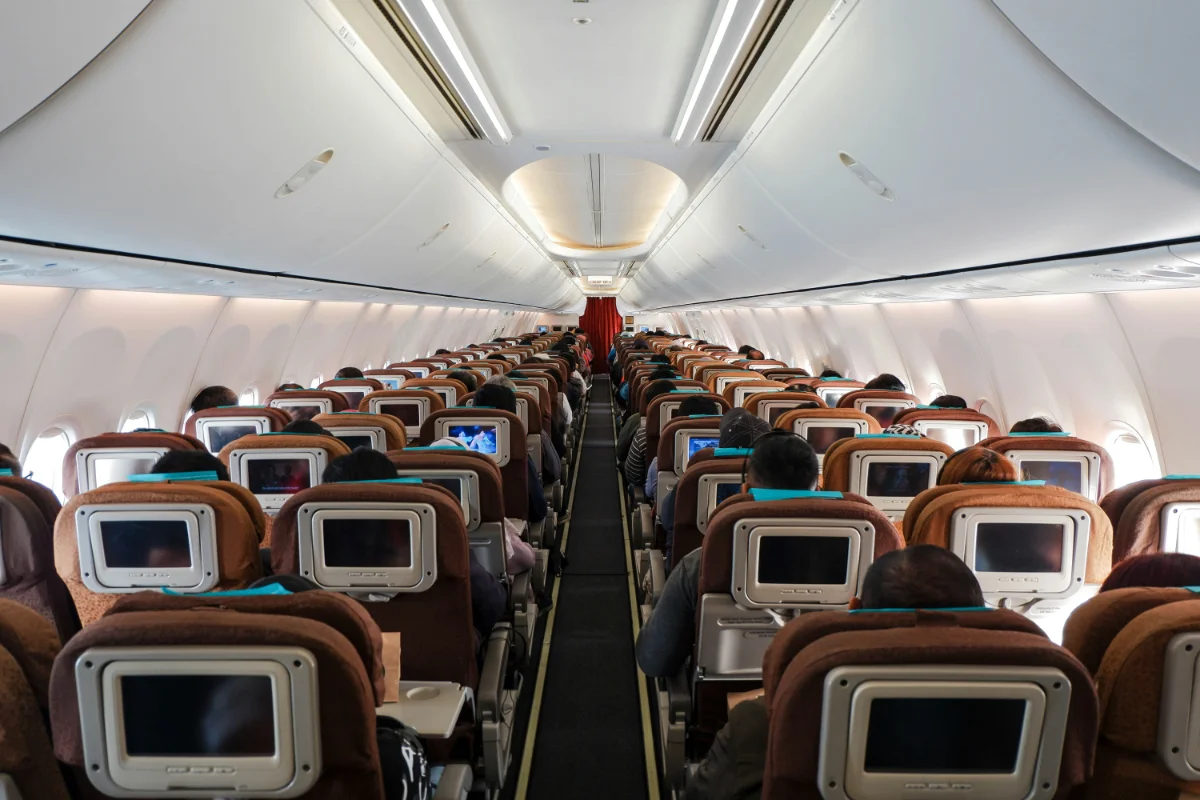
Parliamentarians from across the political spectrum have formally established the All-Party Parliamentary Group (APPG) on Cabin Air Quality and held their first two evidence sessions examining the safety of the air passengers and crew breathe on commercial aircraft.
The group, chaired by Tom Gordon MP (Harrogate and Knaresborough), is bringing together MPs and peers to investigate the issue of contaminated air in aircraft cabins – often referred to as “fume events” – and to examine solutions that could reduce risks to passengers and aviation workers.
During its first evidence session, the APPG heard powerful testimony from individuals who say they were exposed to contaminated air during flights. Witnesses described sudden incidents where fumes entered the cabin, followed by symptoms including headaches, dizziness, confusion, breathing difficulties and longer-term neurological problems.
Several witnesses told MPs that after incidents occurred they struggled to obtain clear answers about what they had been exposed to, in part because aircraft cabins are not routinely equipped with systems that monitor air quality. As a result, they said incidents can be difficult to investigate after the event.
The APPG’s second session focused on the technical causes of contaminated air events and potential solutions. Experts outlined how oil fumes can enter aircraft ventilation systems and highlighted the growing availability of monitoring technology capable of detecting contamination in real time.
Evidence presented to the group suggested that sensing technology capable of detecting key markers of contaminated air already exists and could be installed at relatively low cost.
Tom Gordon MP, Chair of the APPG on Cabin Air Quality, said:
Behind every technical discussion about aircraft systems are real people – passengers and crew – who simply expect the air they breathe on a flight to be safe.
What we heard from witnesses were deeply personal accounts of people who experienced serious health symptoms after exposure events and then struggled to get clear answers about what had happened. It’s vital that Parliament listens to those voices and examines what more can be done to prevent incidents and protect people.
The APPG also heard evidence from aviation experts including representatives from the Global Cabin Air Quality Executive, who explained how contaminated air events occur and highlighted technologies capable of detecting oil fumes and other contaminants in aircraft ventilation systems.
Captain Tristan Loraine, a spokesperson for the Global Cabin Air Quality Executive, said:
Contaminated air events are a recognised issue within aviation and the technology to detect them already exists. Sensors capable of monitoring air quality in real time are technically achievable and relatively inexpensive compared with the scale of the aviation industry. Introducing monitoring would be a practical step towards better understanding and preventing these events.
The APPG will continue gathering evidence from regulators, investigators, manufacturers and airlines in the coming months, alongside further testimony from people affected by contaminated air events, as part of a wider push to expand research and public awareness. Its findings will be presented at the Aircraft Cabin Air International Conference 2026 (22–23 September) alongside the latest evidence and emerging solutions.
Anyone who believes they may have been affected by a contaminated air event and wishes to share their experience with the APPG is encouraged to contact Brightside Strategy on brightside@brightside-strategy.co.uk