York and North Yorkshire Taxpayers could face £2m+ bill to keep North Yorkshire incinerator operating lawfully – plus £6m per year from 2028
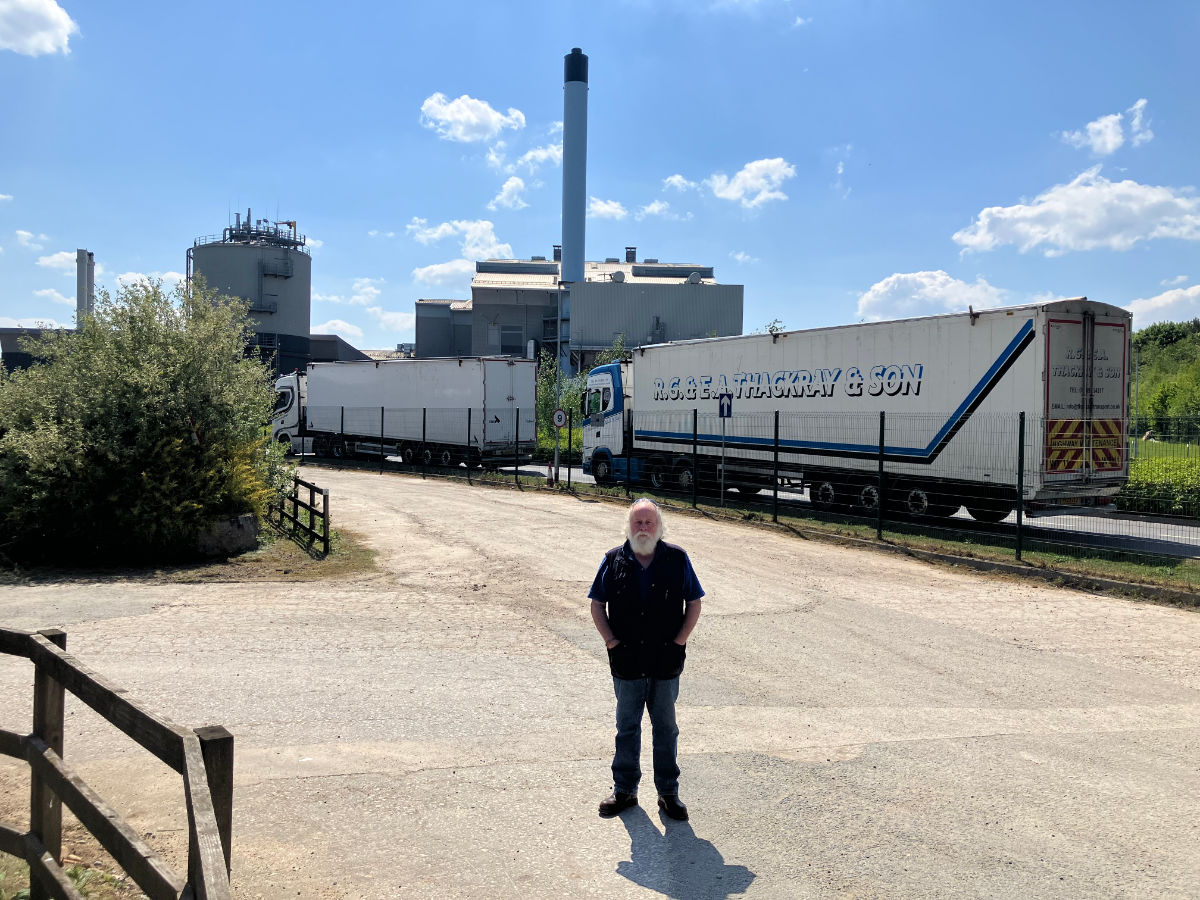
North Yorkshire Council could be forced to pick up a multi-million-pound bill to keep the Allerton Waste Recovery Park incinerator operating within the law, following changes to its environmental permit.
North Yorkshire Council papers confirm that updated requirements imposed by the Environment Agency have triggered a potential “Qualifying Change in Law” under the incinerator contract. If the costs of complying with those legal changes exceed £2 million, the council may be required to cover them using public funds.
The changes relate to stricter environmental controls and monitoring needed to ensure the incinerator continues to operate lawfully. While the exact cost has not yet been finalised, council reports warn the changes could qualify as a High Value Change, exposing the authority to significant financial risk.
A report to Councillors at the Transport, Economy, Environment, Enterprise Scrutiny Overview Committee (TEEESOC) on 28 January states that an independent technical adviser has been appointed to assess the operator’s cost claims, and that the threshold for a High Value Change under the contract is £2 million.
Campaigners and councillors say this is a direct and known consequence of committing to the 25 year incinerator contract – such long periods of time inevitably see changes in environmental law.
Councillor Arnold Warneken (Green Party – Ouseburn division), whose division runs alongside Allerton Park, said:
The Council should have listened to the community – and the warning bells. They should never have built this incinerator. Environmental regulation moves too fast to be tying into such long contracts – it freezes us in the jurassic age of waste and pollution, and creates financial chaos when laws change and big alterations must be made. Councils still considering this type of project must seriously reconsider.
The incinerator had a difficult operational year in 2024-2025, with reduced availability, increased landfill diversion, and over 40 reports to the Environment Agency for non-compliances. Councillors have been told that environmental rules are becoming more demanding, not less – meaning further costs may lie ahead. The Council also has £6m per year budgeted from 2028 to pay for the carbon ‘tax’ being brought in for incinerators, although the exact costs are unknown.
Councillor Warneken:
People were promised this facility would provide certainty and value for money.
Instead, we are being warned that millions more of public money may be needed just to meet basic legal standards.
And it’s not just the money – it’s not doing its job. It had 84 days downtime in 2024-25, over 50 of which were unplanned.
The fact that it only managed 1.75% recycling when its target is 5% is shameful. It has never met this target.
The council says the costs are still being assessed and it is not yet known if the Council will have to find this extra money, at a time of reduced national government funding for North Yorkshire, and warnings that next week’s budget will be a tough one.
This new potential £2m bill may also affect North Yorkshire Council as a partner. The contract split for the waste operation is roughly 80:20 North Yorkshire: York City Council.
It comes as residents in Teesside continue to dispute the viability of the proposed Tees Valley ERF, a collaboration between 7 Councils in the Northeast.