York College has become the UK’s first educational organisation to offer fully-funded ECG heart screening tests to its sports team students and elite athletes, using a new form of technology.
The tests, provided by Thirsk-based company CardioLogic Diagnostics, will be offered to all members of our football, rugby league, basketball and netball teams ahead of their 2026/27 seasons, along with students who belong to the Government’s Talented Athlete Scholarship Scheme and compete in elite-level sport outside of college.
Some students have already been tested prior to next month’s start to the new academic year.
The importance of heart screening among athletes was, once more, tragically highlighted this weekend when former York City footballer Quevin Castro, aged 25, lost his life after collapsing on a pitch during a game in Portugal on Saturday despite efforts to revive him with a defibrillator.
This June, meanwhile, Denmark international footballer Christian Eriksen collapsed on the pitch for a second time – five years after he suffered a cardiac arrest during the Euro 2020 tournament.
And the following stats further emphasise the need to identify young people at risk of sudden cardiac death through the early detection of underlying heart conditions:
- Around 12 young people aged 14-35 die every week in the UK from sudden cardiac death
- Around 1 in 260 Academy level footballers are found to have a potentially life-threatening heart condition that requires ongoing care or treatment
- Around 1 in 100 people screened are found to have a cardiac condition that may require monitoring or could cause future problems if undetected
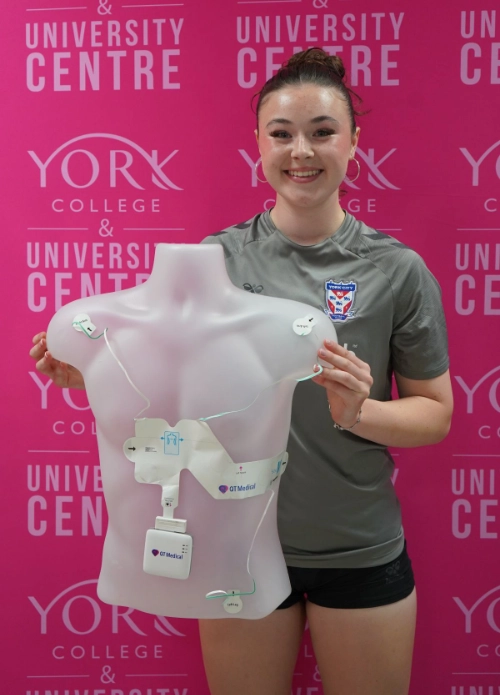
The new technology by QT Medical utilises a pre-positioned electrode patch, which allows college staff to be trained in its application rather than requiring a medical professional on site.
Results are then analysed remotely by UK cardiologists, who return a full ECG report to the student or parent/guardian within seven working days.
York City Women footballer Faye Singleton was inspired to become the Director of Sales & Marketing at CardioLogic Diagnostics after she witnessed the collapse of a team-mate during a game due to an undiagnosed heart condition.
Thankfully, she made a full recovery and now takes medication to treat the issue.
Others such as York City striker David Longhurst in 1990 and Cameroon international midfielder Marc Vivien-Foe in 2003, were less fortunate and died after suffering cardiac arrest playing the game they loved, while the cause of Castro’s awful, untimely passing is yet to be confirmed.
On CardioLogic’s partnership with York College, Faye said:
I am over the moon that we’ve got the first educational organisation signed up to offer ECG testing. Prior to the college signing up, we’ve been working with sports clubs and county football associations but, to bring it into an educational setting where students don’t get access, it’s been fantastic to open those doors.
We’re now hoping that other schools, colleges and universities will follow suit. We can screen anyone over the age of 12, so we are just trying to cast the net wide and get as many young people screened as possible.
Then, if we do find something that’s underlying, it can hopefully be treated before a tragedy might occur, because we follow up on any abnormalities and help provide support for the next steps.
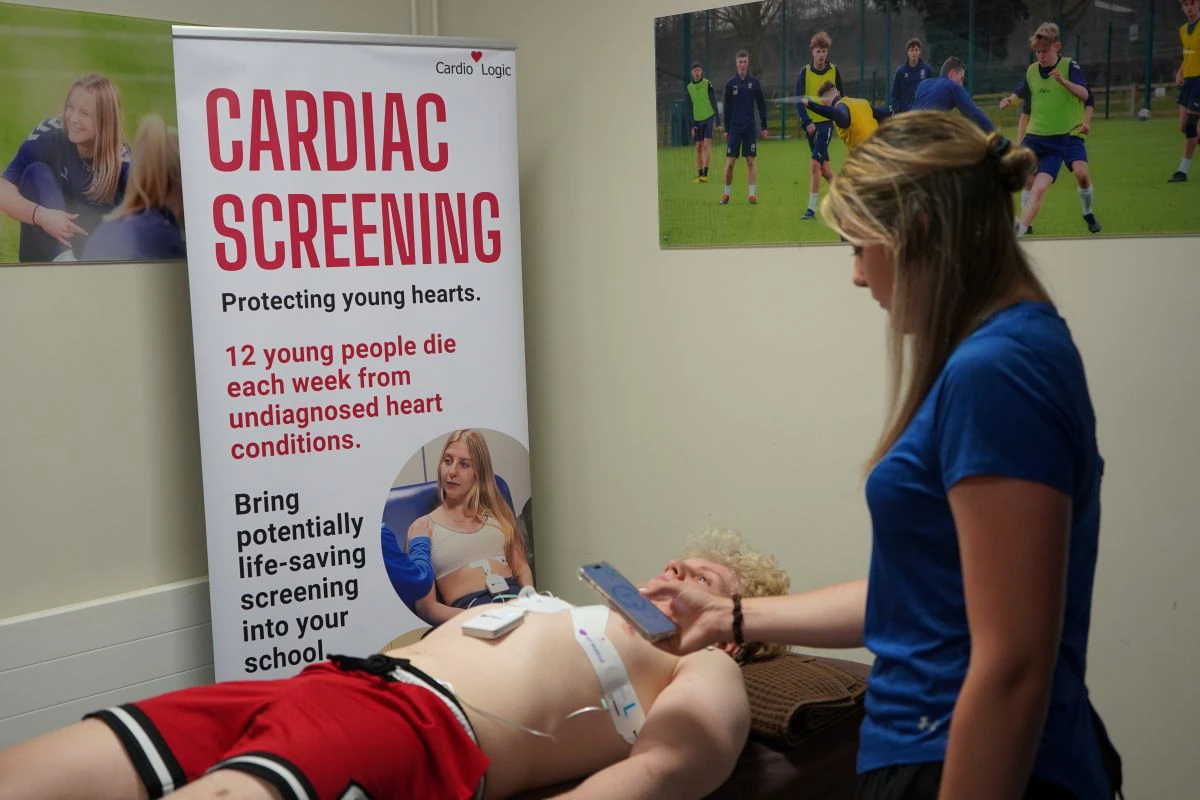
After undergoing the test and receiving her results, Megan Atkins – a member of the college’s women’s football team – said:
It was really good, non-invasive and quite quick as well.
About a week later, the results came through by email and everything was fine but I think the tests are very important to make sure nobody has got any underlying conditions.
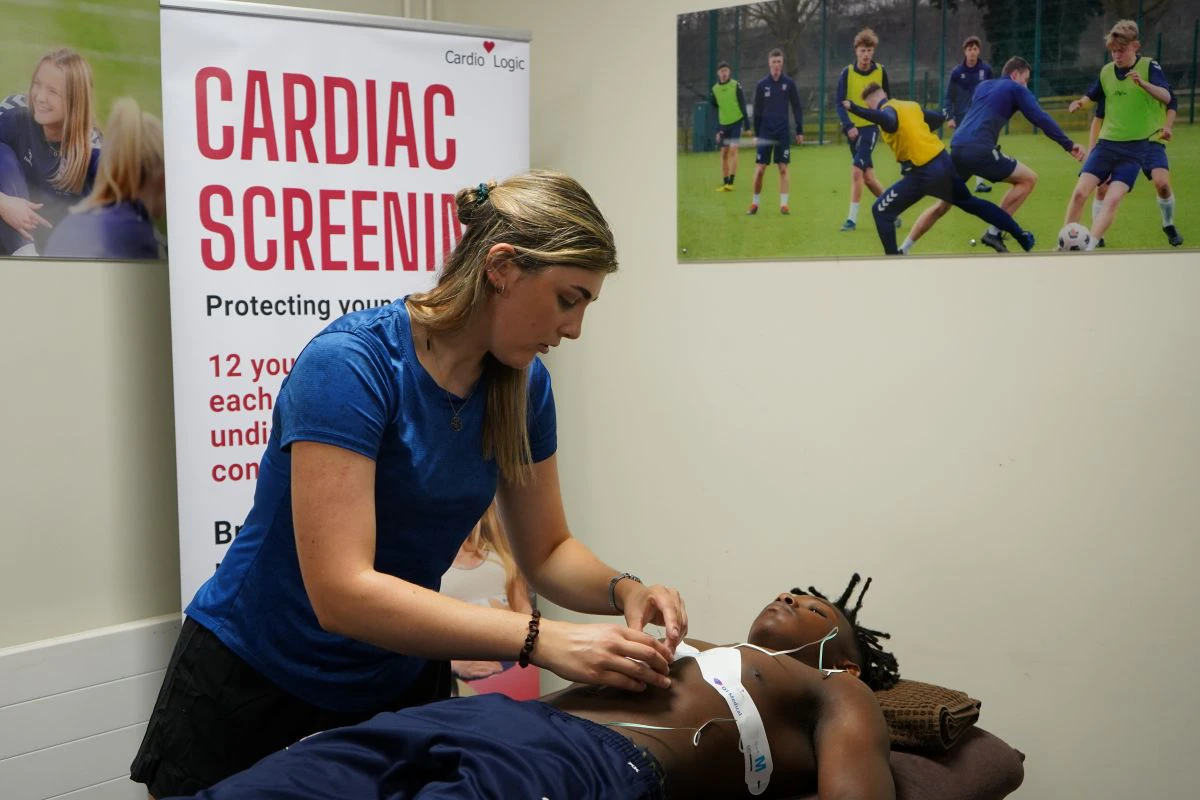
Riley Nolson – a College basketball player – added:
It was a really simple procedure and just involved putting a few patches on my skin. I think it’s really important to make sure that both myself and my team-mates are all good and, if they’re not, that they can get that checked out to make sure they’re all fine.
A third student Jaden Ncube pointed out:
Other colleges and football teams I have played for haven’t offered this, so it’s a positive thing and also helps us understand our health better.
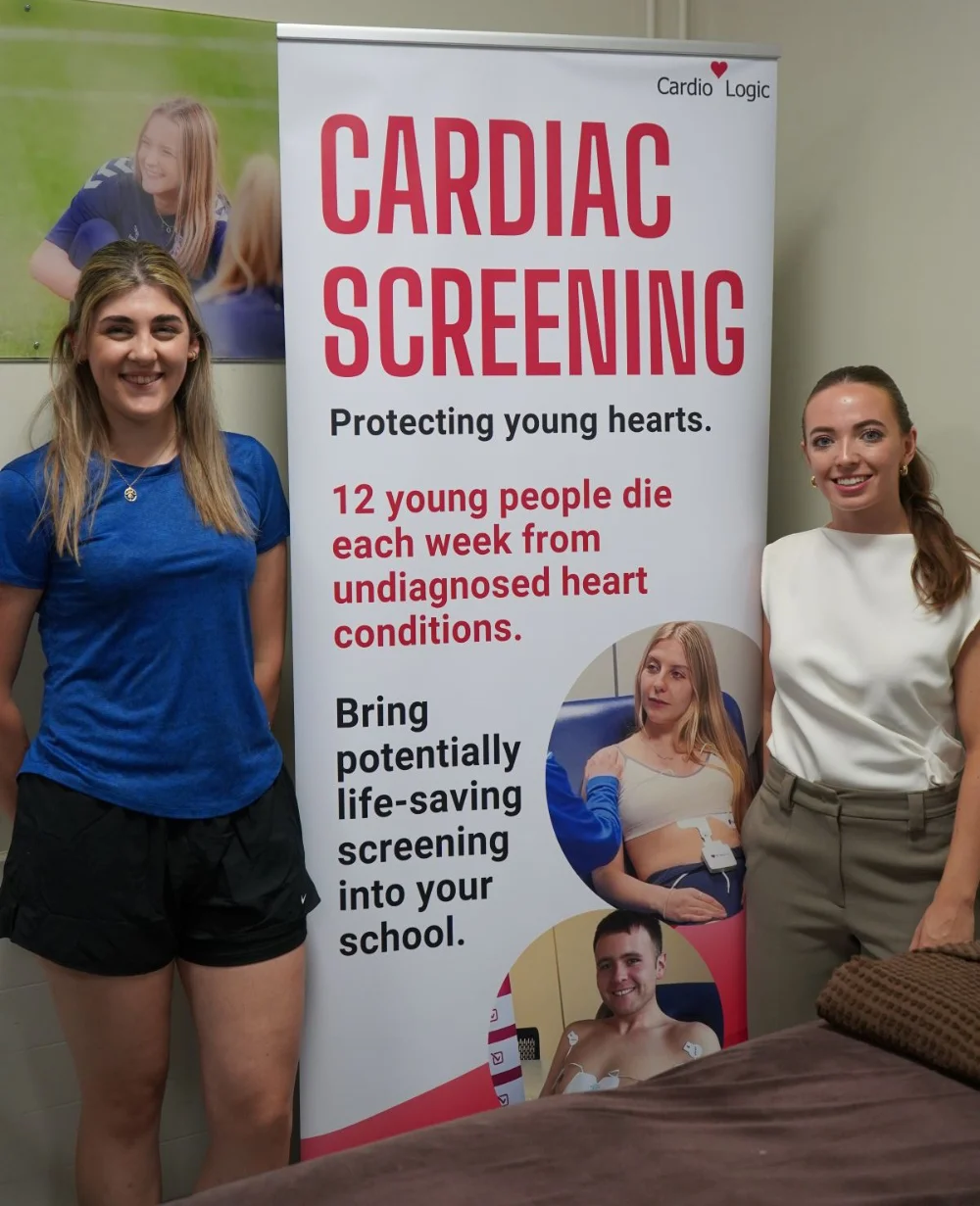
York College Sport Progress Coach Emma Palmer has been trained to administer the scans and she declared:
The training was really easy. The device is so small and really portable and applying the patch and making the measurements is straightforward, too.
As a trained member of staff on-site, it’s great that I’m able to do the screening as and when. We’re not having to wait for appointments or rely on other people’s schedules.
I also know the students and, whilst it’s not an invasive process, it’s really helpful for them to have a familiar face administering it.
York College Sports Development Centre Coordinator Stu Horsfield explained:
We felt this was really important as a college, as we have a lot of student athletes and talented athletes here and it’s about giving them peace of mind.