Education leaders are urging local MPs to help to highlight the significant funding gaps facing pupils in North Yorkshire compared with other areas across the country.
North Yorkshire Council is a member of the f40 group – a coalition of the UK’s 43 lowest-funded local authorities. The group campaigns for fairer and increased education funding, and major reform and investment in special educational needs and disabilities (SEND).
MPs in the county are now being asked to help to petition the Government to highlight the lower levels of funding that North Yorkshire Council receives compared to other local authorities nationally and to promote the campaign for a fairer deal from the Department for Education.
Despite rising costs and increasing demand, North Yorkshire ranks 50th lowest out of 151 local authority areas in England for Dedicated Schools Grant (DSG) funding and ninth lowest for High Needs funding.
The DSG provides financial support to local authorities to fund schools, high needs pupils and early years education.
The council’s executive member for education, learning and skills, Cllr Wilkinson said:
This is about ensuring fairness, opportunity and a better future for our children, who need to have the assistance and tools to reach their true potential. However, teachers and pupils in North Yorkshire are not receiving their fair share.
The difference between our funding and that of the highest‑funded areas is enormous.
Our schools achieve remarkable things, but they need equitable funding to give every child the chances they deserve.
I am calling on our MPs to please stand with us and push for change.
There are 351 schools in total across North Yorkshire with almost 80,000 children and young people educated in the county. Meanwhile, the number of children with Educational Health Care Plans (EHCPs) in the county has risen from 1,700 in 2015 to more than 6,200 in 2026.
The council continues to receive significantly less per pupil than many other areas. For DSG funding, the highest‑funded local authority receives £14,181 per pupil compared with just £9,299 in North Yorkshire.
For high needs (SEND) funding, North Yorkshire gets far less than the highest‑funded area – £1,114 per pupil compared with £3,831.Pending the publication of the Schools White Paper setting out the
Government’s new direction of travel for education and the anticipated reforms to SEND, North Yorkshire Council is asking for the reforms to be powerful enough to support schools to offer inclusive mainstream education, backed by fairer and increased funding to enable them to be properly implemented.
North Yorkshire Council’s corporate director for children and young people’s service, El Mayhew, said:
We are the largest council in the country, covering rural, urban and coastal communities, and we have more small schools than any other authority in England.
The gap between the best‑funded and least‑funded authorities is unacceptably large, leaving children and young people in North Yorkshire at a clear disadvantage compared with their peers.
Being funded the same as the average local authority area would make a huge difference to children’s educational experiences, opportunities and outcomes.
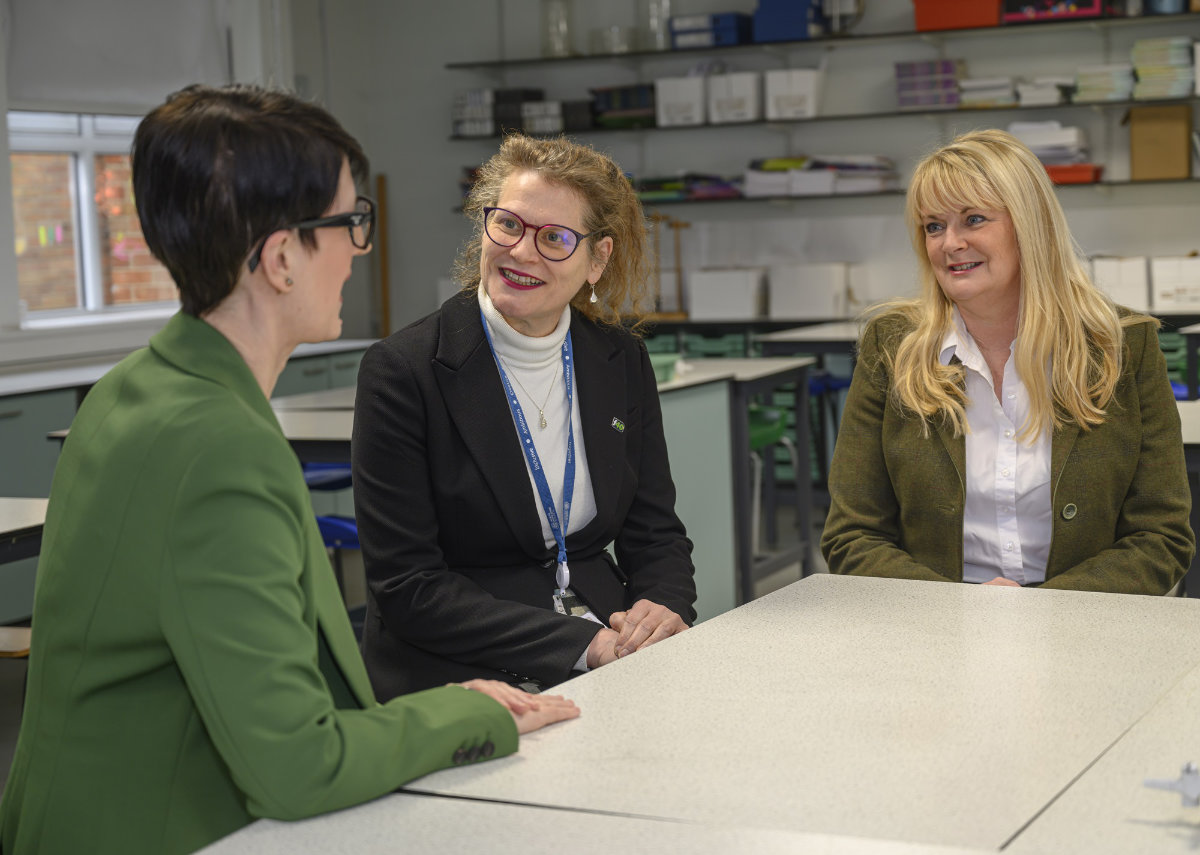
A fairer funding deal would allow North Yorkshire Council to make significant progress in its key priorities for ensuring the best possible opportunities for all pupils in the county. One of the major aims is to help children with SEND to be educated in mainstream schools as close as possible to their homes.
The headteacher of Thirsk High School and Sixth-Form College, Emma Lambden, said:
Children and young people are the future and if we don’t invest in them we won’t achieve societal or economic growth.
In a time where we are seeing more young people with increasing SEND and mental health needs, but reduced capacity to support from external services, where else can young people access support but school?
Yes, our priority is to educate, but young people spend most of their time in school, and we know that they won’t be able to thrive academically if they are not supported holistically.
It makes sense that we throw as much support and resource as we can at the young people in our care, but without proper funding we simply cannot fully give them the support they deserve.
A comment was requested from Tom Gordon MP>